
Nylon cable ties are essential fastening components used across virtually every industry, from electronics and automotive to construction and telecommunications. As demand grows, the market has seen an increase in manufacturers, leading to significant variations in technology and quality. For buyers and engineers, distinguishing high-quality nylon cable ties from substandard products is crucial for safety, reliability, and cost-effectiveness.
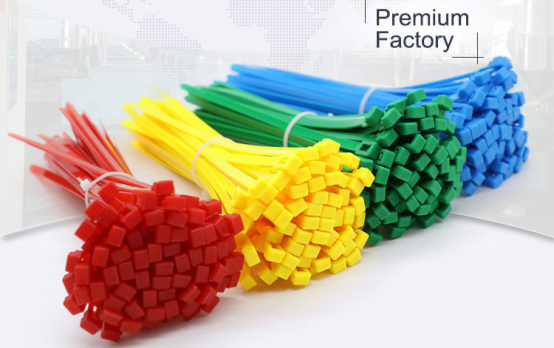
- Visual Inspection: The First Indicator of Quality A primary method for assessing nylon cable ties is a careful visual examination. High-quality cable ties should be free from common plastic defects such as: Flaws, voids, or incomplete filling (lack of material) Discoloration, burning marks, or silver streaks (indicators of processing issues) Bubbles, deformations, or excessive shrinkage While minor flaws may not always impede immediate use, they often signal poor manufacturing control and can lead to premature failure under stress.
- Critical Focus: The Teeth and Pawl Mechanism The performance of a nylon cable tie hinges on the precision of its toothed belt and the head’s tooth cavity (pawl). Pay close attention to: The toothed belt: Ensure teeth are fully formed, uniform, and without missing segments. The internal pawl: Inspect for clean molding. Avoid parts with visible step-like mold misalignment marks inside the cavity, as this defect can cause slipping, difficulty in insertion, or failure to lock. Edge trimming: Excessive trimming or flash can prevent the teeth from engaging securely with the pawl, resulting in unreliable fastening that may loosen over time.
- Material Appearance and Purity As a general rule, higher-grade nylon cable ties exhibit a translucent, clear appearance. A slight natural off-white or pale yellow tint is acceptable and often indicates virgin material. Be cautious of ties that appear cloudy, overly opaque, or contain dark/black specks. This discoloration frequently suggests the use of recycled or heavily reprocessed nylon, which compromises tensile strength, durability, and weather resistance.
- The Importance of Raw Material: Nylon 66 The quality of the base polymer is fundamental. Premium nylon cable ties are manufactured from virgin or high-quality Nylon 66 (PA66). This material is chosen for its: Excellent tensile strength Outstanding abrasion resistance Good flexibility and impact resistance Superior resistance to fuels, oils, and chemicals Repeated melting and reprocessing degrade the polymer chains, reducing molecular weight and negatively affecting key mechanical properties. Inferior regrind material leads to brittle, weak ties that may crack during installation or fail in application.
- Performance Testing Beyond visual checks, reliable quality verification includes: Tensile Strength Test: Confirms the tie meets its rated break strength. Loop Tensile Strength Test: Assesses the locking mechanism’s integrity under load. Flexibility and Mandrel Test: Ensures the tie does not crack when bent at low temperatures. UV and Weather Resistance: For outdoor grades, material should contain stabilizers to prevent degradation from sunlight and moisture.
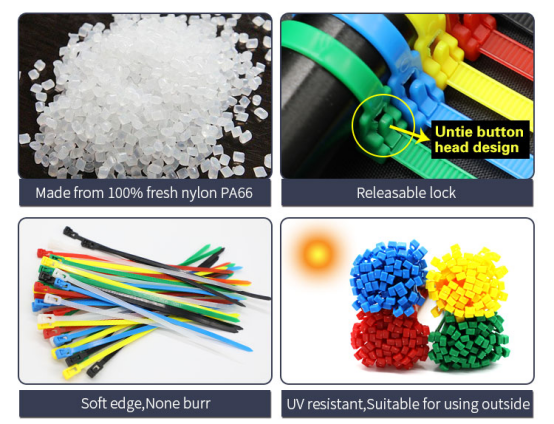
Selecting high-quality nylon cable ties requires a discerning eye for detail and an understanding of material science. Prioritize products with consistent molding, a clean, translucent material appearance, and precise tooth engagement. Always source from reputable suppliers who provide material certifications and performance data. Investing in reliable nylon cable ties mitigates the risk of failure, ensures long-term holding power, and provides true value across any application field.
If you need high-quality nylon cable ties, welcome to consult us,our email: jcseal01@sdjcsy.com
Keyword:
Cable ties